 blog
Best Paint Protection Options for New Cars in 2026
Last Updated: November 10, 2026
Quick Summary
The best paint protection for a new car in 2026 depends on the damage you fear most: paint protection film physically stops rock chips, while ceramic coating delivers gloss, UV protection and easier washing. Many owners combine PPF on front-end zones with ceramic coating over the whole car.
- Paint protection film typically lasts 5 to 10 years, while ceramic coating lasts 1 to 5 years.
- Professional ceramic coating installation costs $500 to $2,500 depending on tier and paint correction.
- Partial-front PPF runs $600 to $1,500, and full-body PPF costs $3,000 to $8,000 or more.
- The cheapest quote often skips paint correction and decontamination, which makes a coating last.
- A leased vehicle favors a spray sealant you can refresh cheaply.
Table of Contents
- Why New Car Paint Needs Protection From Day One
- The Main Paint Protection Options Compared
- Ceramic Coating vs. Paint Protection Film: Which Fits Your Car
- What Car Paint Protection Cost Really Looks Like
- How Long Does Ceramic Coating Last in Real Conditions
- DIY Ceramic Coating for Cars: What You Can Realistically Do
- Protection by Driving Conditions and Ownership Plans
- Book a Bay and Protect Your New Car's Finish
- Frequently Asked Questions
Why New Car Paint Needs Protection From Day One
Factory clear coat is thin, and it starts taking hits the moment you drive off the lot. Road debris, UV exposure, bird droppings, and automatic car washes all attack new car paint before the first oil change. That is why so many owners start shopping for the best paint protection options for new cars in 2026 within weeks of buying.
Vehicles often arrive shiny and flawless, and six months later may carry swirl marks and stone chips that no wash will fix. The NHTSA vehicle safety and recall database won't help with paint damage, but it makes one thing clear: prevention is cheaper than repair. Paint protection is that prevention.
Below, we break down every major option, what each one actually does, and how to choose without overspending.
The Main Paint Protection Options Compared
Four categories cover almost every new car on the road: paint protection film, ceramic coating, spray sealants, and traditional wax. They differ in thickness, durability, price, and what they actually stop. A side-by-side comparison against the same criteria makes the trade-offs obvious.
| Criterion | PPF | Ceramic Coating | Spray Sealant | Traditional Wax |
|---|---|---|---|---|
| Stops rock chips | Yes, physically | No | No | No |
| UV and chemical resistance | Moderate | Strong | Light | Light |
| Gloss and water beading | Moderate | Strong | Moderate | Moderate |
| Typical durability | 5-10 years | 1-5 years | Weeks to months | 1-3 months |
| DIY friendly | No | Sometimes | Yes | Yes |
| Removable without repaint | Yes | Usually via polishing | Yes | Yes |
| Affects future paint correction | Can complicate polishing at edges | Requires polishing to remove | No | No |
Paint protection film, often called clear bra, is a thick urethane layer that absorbs impacts from road debris. Some films carry self-healing properties that can close light scratches with heat, and film is among the options that can physically absorb a stone chip. Ceramic coating is a liquid polymer that bonds to the clear coat and adds hydrophobic behavior, UV protection, and gloss, but it will not stop an impact. Spray sealants and traditional wax sit on top of the paint, add shine and some water repellency, and wear away fastest.
The decision usually comes down to two questions: what damage do you fear most, and how long will you keep the car? You can also explore the shop's full car detailing services to see which protection options are offered. If chips and road debris top your list, PPF wins. If easier washing, water beading, and gloss with UV protection matter more, a ceramic coating delivers more per dollar. If the car is leased or the budget is tight, a spray sealant is a sensible stopgap that you can refresh cheaply.
Many owners combine both: PPF on the front-end coverage zones, then ceramic coating over the whole car for gloss and ease of cleaning. That pairing handles impacts and chemistry at once, and it is the setup most practitioners recommend for a long-term keeper in a highway-commute pattern.
Watch out: neither film nor coating replaces careful washing. Swirl marks come from dirty towels and harsh brushes, not from a lack of product, and an automatic brush wash can strip a coating and dull a film's surface in a single pass.
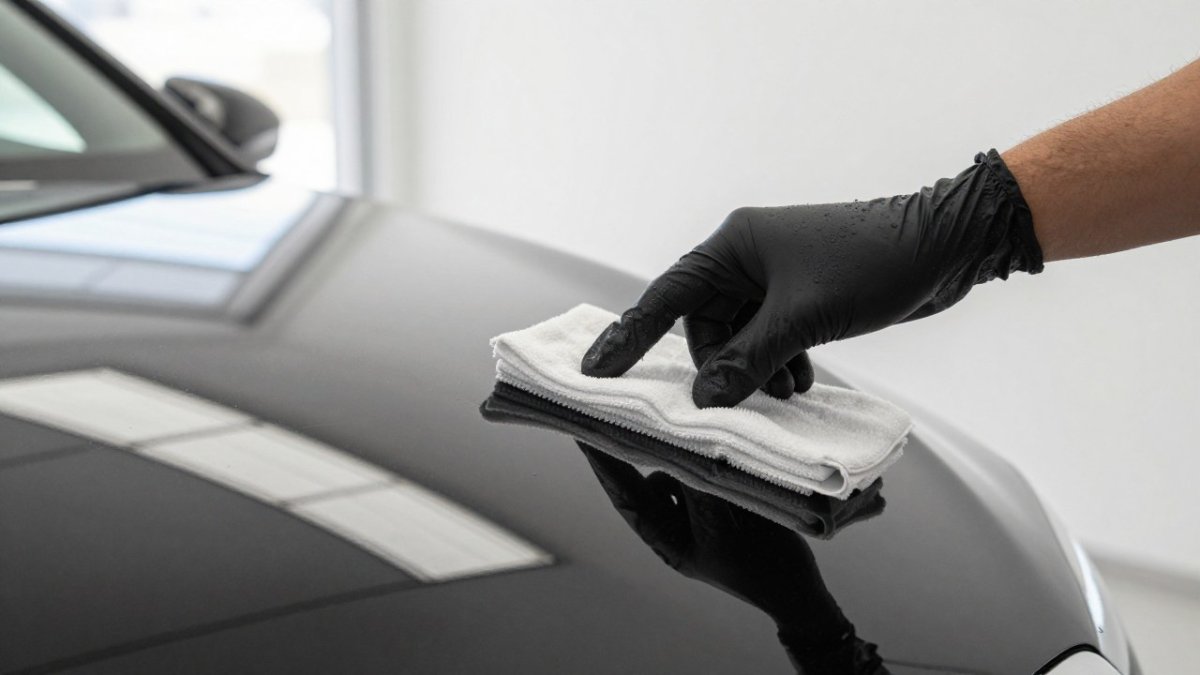
Ceramic Coating vs. Paint Protection Film: Which Fits Your Car
The ceramic coating vs. paint protection film question comes down to what you fear most. If rock chips and road debris top your list, PPF wins. If you want easier washing, water beading, and gloss with UV protection, a ceramic coating delivers more per dollar.
Many owners combine both: PPF on the front-end coverage zones, then ceramic coating over the whole car for gloss and ease of cleaning. That pairing handles impacts and chemistry at once.
Neither option replaces careful washing. Swirl marks come from dirty towels and harsh brushes, not from a lack of product.
What Car Paint Protection Cost Really Looks Like
Car paint protection cost is driven by coverage area, product tier, prep work, and labor, and the total cost of ownership can differ considerably from the upfront quote. Pricing for The Bays O'Fallon depends on the service selected, so check the website for current prices or a quote.
| Option | Typical DIY Cost | Typical Professional Install | Expected Replacement Interval | Ongoing Maintenance |
|---|---|---|---|---|
| Spray sealant | $15-$40 per bottle | $50-$150 | Every few weeks to a few months | Low; reapply seasonally |
| Traditional wax | $15-$35 per tin | $75-$200 | Every 1-3 months | Low; reapply often |
| Consumer ceramic spray | $20-$60 per bottle | $150-$400 | 6-12 months | Low; maintenance wash |
| Professional ceramic coating | Not realistic for most owners | $500-$2,500 depending on tier and paint correction | 1-5 years | Moderate; annual inspection and maintenance wash |
| Partial-front PPF | Not recommended | $600-$1,500 | 5-10 years with care | Low; avoid harsh washes |
| Full-body PPF | Not recommended | $3,000-$8,000+ | 7-10 years with care | Low; avoid harsh washes |
Vehicle size, paint condition, film brand, and how much paint correction is required all affect the cost. A daily driver with contaminated paint generally needs decontamination and at least a light polish before any coating or film, and that prep can be the difference between a quote that holds up and one that fails early.
Total cost of ownership matters more than the first invoice. The upfront price is only part of the picture: a cheaper product that needs frequent reapplication can cost more over time than a longer-lasting option, plus your time. Protective film generally carries a higher upfront cost, and it can help preserve resale value by preventing chips and bumper scuffs that show up in a pre-sale inspection.
Watch out: the cheapest quote often skips paint correction and decontamination, which is exactly the prep that makes a coating last. Ask every installer what prep is included and whether the price covers a panel wipe and iron removal.
Insurance and warranty also affect the math. Manufacturer coating and film warranties vary, so read the terms before installation. If your insurer treats film as a modification, confirm coverage before installation. Our contact page has our address and phone number, and our team will walk you through current pricing for your vehicle.
How Long Does Ceramic Coating Last in Real Conditions
How long does ceramic coating last? A professionally installed coating can hold up for several years, while spray-on consumer products generally last for a shorter period. Real-world longevity depends on climate, parking, washing habits, and product tier.
Weather exposure is the biggest variable. A car parked outside in strong sun and road salt sees far more stress than a garaged weekend vehicle. Maintenance washing with the right soap protects the layer, and harsh automatic brushes strip it fast.
Manufacturer warranty terms vary widely, and most exclude damage from improper washing or abrasion. Read the warranty terms carefully before purchasing.
DIY Ceramic Coating for Cars: What You Can Realistically Do
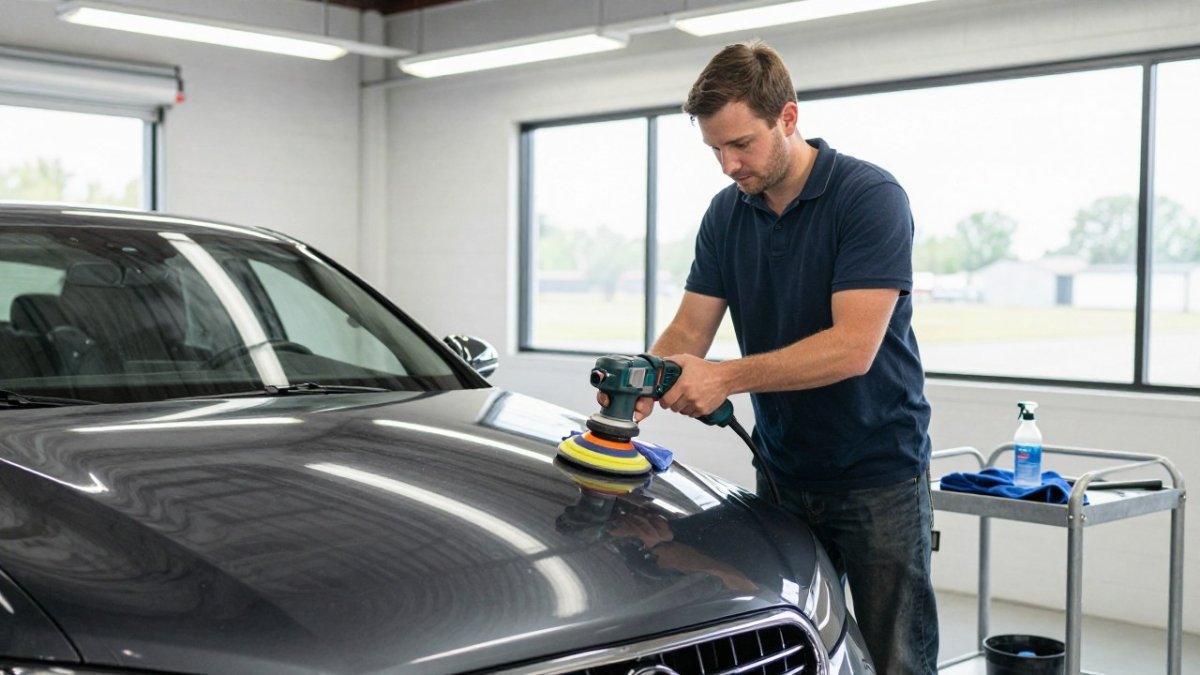
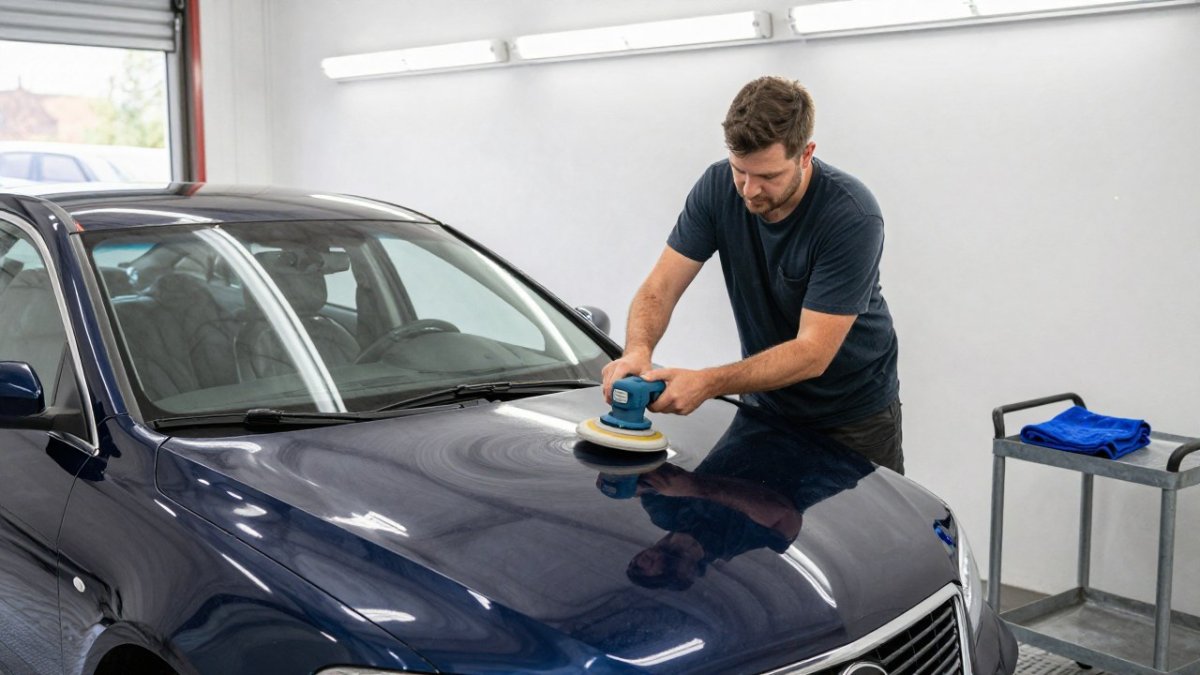
DIY ceramic coating for cars is realistic if you accept the prep work. The coating itself is the easy part. Decontamination, clay treatment, and paint correction take the time, and a cool, shaded space is non-negotiable.
A common mistake is applying coating in direct sun or on a hot panel. It flashes too fast and leaves high spots that need polishing out.
- Wash and dry the car out of direct sun
- Decontaminate with iron remover and clay
- Correct any scratches or swirl marks
- Wipe down with panel prep
- Apply coating in small sections
- Let it cure undisturbed
If you lack a garage, book a self-serve detailing bay with professional-grade tools and lighting. You can also shop ceramic sprays and microfiber supplies for local pickup.
Protection by Driving Conditions and Ownership Plans
Match the product to how you actually use the car. A daily driver facing highway commute traffic needs front-end coverage against road debris. A leased vehicle favors a spray sealant you can refresh cheaply. A long-term keeper justifies a professional ceramic coating or PPF combo.
Garaged weekend cars need less. A quality paint sealant and careful washing keep the finish strong without a big spend. If you plan to sell in a few years, protection preserves resale value and makes the car easier to present.
New-car timing matters too. Installing protection before the first chip is far cheaper than correcting damage later. Compare installation options before you sign, including dealer and independent providers.
Book a Bay and Protect Your New Car's Finish
The best paint protection options for new cars in 2026 all share one requirement: proper prep and consistent care. Whether you choose PPF, a ceramic coating, or a spray sealant, the finish only performs as well as the work beneath it.
The Bays O'Fallon combines professional ceramic coating installation, retail products, and self-service detailing bays under one roof. You can apply protection yourself with professional-grade tools or choose expert-led services, and monthly membership plans for self-service bay access are available. With professional tools and expert-led application both available, ceramic coating can be a practical way to preserve a new car’s finish, and DMD Car Detailing explains the benefits this protection can offer.
Get started with The Bays O'Fallon and keep that new-car finish looking new.
Ready to protect your paint before the first chip? Our team helps you pick the right option and get it applied correctly.
Frequently Asked Questions
What is the best paint protection for a new car?
There is no single best option, because it depends on what you want to stop. Paint protection film is the strongest defense against rock chips and road debris on high-impact areas like the front bumper and hood. A ceramic coating adds gloss, water beading, and easier washing but will not stop a stone chip. Many new-car owners combine both: film on the front end and a coating over the rest of the car.
Is paint protection film or ceramic coating better for a new car?
Choose film if your daily commute includes highways, gravel, or heavy road debris, since it absorbs impacts that would otherwise chip the paint. Choose ceramic coating if your priority is shine, hydrophobic water beading, and easier maintenance washing. The ceramic coating vs. paint protection film decision comes down to physical impact protection versus chemical and UV resistance. A professional can help you decide based on how and where you drive.
How much does paint protection for a new car cost?
Car paint protection cost varies widely by product type, coverage area, and whether you choose DIY or professional installation. A spray sealant is the least expensive entry point, ceramic coatings sit in the middle, and full-front paint protection film is the highest because it requires skilled installation and more material. Ask for a written quote that separates surface preparation, product, and labor so you can compare options fairly.
Can you apply ceramic coating to a new car yourself?
Yes, DIY ceramic coating for cars is realistic for a careful owner, but surface preparation decides the result. The paint must be washed, decontaminated, and often polished before the coating goes on, and the work needs a clean, dust-free space out of direct sun. A self-service detailing bay with professional-grade tools removes most of the environmental risk. If the paint has defects or you are unsure about polishing, have a professional handle the prep.