 Ultimate guide
How to Protect Car Paint Long Term: A Complete Guide
Last Updated: October 25, 2026
Quick Summary
To protect car paint long term, combine careful washing with a layered protection system: a pH-neutral two-bucket hand wash, then wax, sealant, ceramic coating, or paint protection film matched to your conditions. Prep and maintenance decide the result, so decontaminate and correct paint before coating and wash every 2-4 weeks.
- Wax lasts 4-8 weeks, while professional ceramic coating can last 3-7 years.
- Wash with a pH-neutral shampoo and the two-bucket method to prevent swirl marks.
- Factory paint needs 30-90 days to cure before sealing; repainted panels need 60-90 days.
- Skip automatic brush washes, which grind grit into the coating and clear coat.
- Wash every 1-2 weeks during salt season, focusing on lower panels and wheel arches.
Table of Contents
- Why Long-Term Car Paint Protection Matters
- What Damages Car Paint: Sun, Weather, and Everyday Grime
- Washing and Drying Techniques That Prevent Scratches
- The Best Long-Term Paint Protection for Cars Compared
- Ceramic Coating vs. Wax: Which Lasts Longer
- Paint Correction Before Ceramic Coating: Why Prep Decides the Result
- How to Maintain Ceramic Coating and Keep It Working
- Building a Year-Round Maintenance Schedule for Your Paint
- Frequently Asked Questions
Why Long-Term Car Paint Protection Matters
Your car's paint is more than a cosmetic layer. It is the first line of defense against rust, and once it fails, repairs get expensive fast.
Here is what most guides get wrong: they treat protection as a single product choice. In reality, it is a system.
Below, we break down the damage sources, the protection options, and a maintenance schedule you can actually follow.
What Damages Car Paint: Sun, Weather, and Everyday Grime
Damage accumulates from four directions, and most drivers only notice the last one.
- UV rays and sun damage: Ultraviolet light breaks down the clear coat's polymers, causing oxidation and fading. A car parked outside every day ages far faster than a garaged one.
- Weather and road salt: In winter, road salt and brine cling to rocker panels and wheel arches, accelerating corrosion wherever the paint has a chip. Freeze-thaw cycles make it worse.
- Environmental fallout: Tree sap, bird droppings, and bug splatter are acidic. Leave them for a week in summer sun and they can etch permanently into the clear coat.
The Environmental Protection Agency's guidance on vehicle care and stormwater notes that washing on grass or gravel lets runoff soak in rather than reaching storm drains, a reminder that how you wash affects more than your finish.
Washing and Drying Techniques That Prevent Scratches
Most swirl marks are self-inflicted. A hand wash with the right products and tools removes contamination without dragging abrasive grit across the paint.
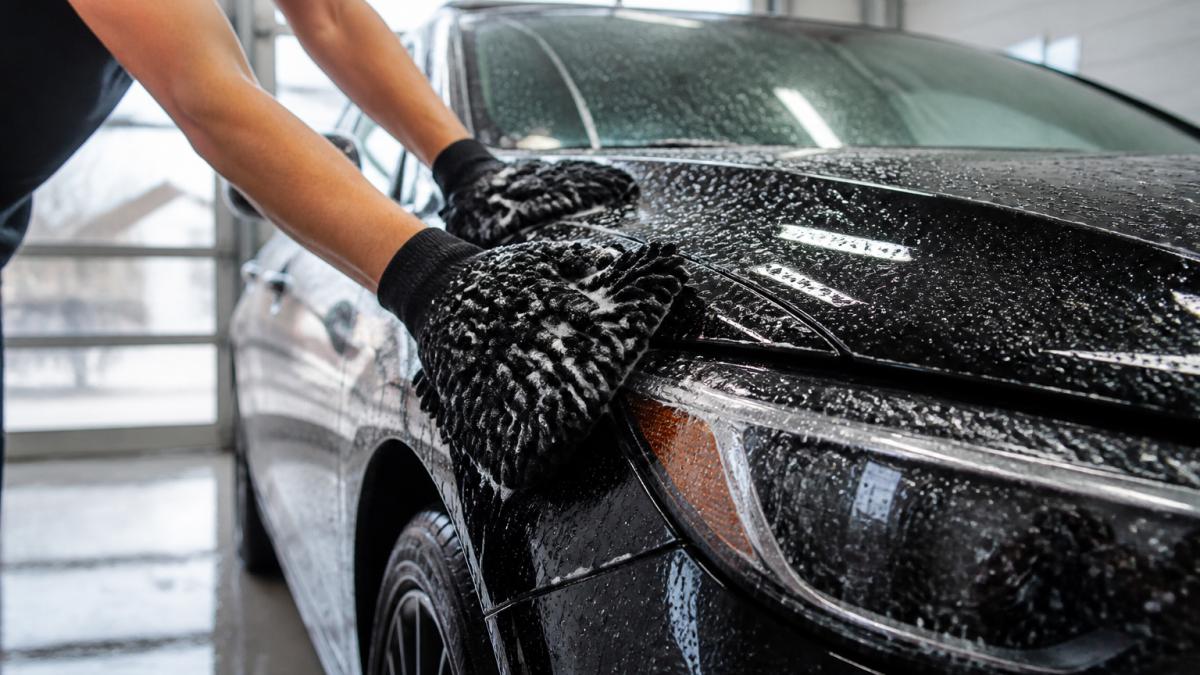
Follow this sequence:
- Rinse the car top-down to lift loose dirt.
- Wash with a pH-neutral shampoo and a microfiber wash mitt, one panel at a time, rinsing the mitt often.
- Use the two-bucket method: one bucket for shampoo, one for rinse water, so grit settles instead of returning to the paint.
- Dry with a clean microfiber towel or forced air, never a bath towel or a circular scrubbing motion.
Watch out: washing in direct sun lets shampoo dry before you rinse, leaving water spots that bond to the clear coat.
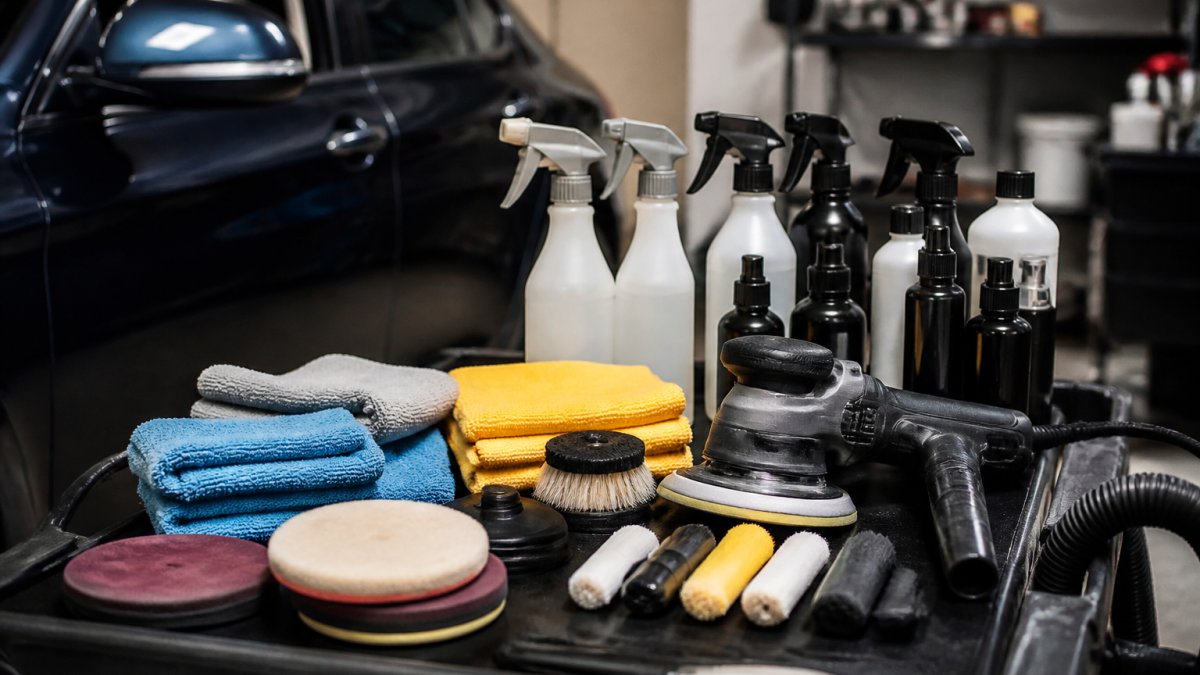
If you would rather stock up on the right tools, shop pro-grade detailing supplies for pH-neutral soaps, microfiber towels, and safe wash mitts.
The Best Long-Term Paint Protection for Cars Compared
Four protection tiers dominate the market. They differ mainly in lifespan, upfront cost, and how much upkeep they demand. The table below gives realistic ranges based on typical use, not marketing claims.
| Option | Typical Lifespan | Upfront Cost (DIY vs. Pro) | Upkeep | Best For |
|---|---|---|---|---|
| Wax (carnauba or synthetic blend) | 4-8 weeks | $15-$40 DIY; $75-$150 pro | Reapply every 1-2 months; wash weekly | Budget-conscious drivers who enjoy hands-on care and have a garage |
| Synthetic sealant | 4-6 months | $20-$50 DIY; $100-$250 pro | Reapply 2-3 times a year; periodic topper | Easy DIY protection with modest durability and low risk |
| Ceramic coating (consumer-grade) | 1-3 years | $50-$150 DIY; $400-$1,200 pro | Maintenance washes every 2-4 weeks; annual decontamination | Owners wanting long-term gloss and easier cleaning on a daily driver |
| Ceramic coating (professional-grade) | 3-7 years | $800-$2,500 pro | Same as above; professional inspection annually | Vehicles kept long-term and parked outdoors |
| Paint protection film (PPF) | 5-10 years | $1,500-$6,000+ pro (partial front vs. full body) | Minimal; wash as normal, avoid abrasive polishes | High-impact areas, highway commuters, gravel-road use |
Wax and sealant sit on top of the paint and wear away.
The right pick depends on how you use the car and where it parks. To see how a professional coating package is structured, explore ceramic coating packages and compare durability options.
Climate and Use-Specific Recommendations
- Intense sun and outdoor parking: Prioritize UV resistance. A ceramic coating with documented UV inhibitors outperforms wax, which can degrade in weeks under strong sun. Consider a windshield sunshade and park in shade when possible.
- Winter road salt and brine: Film on rocker panels and wheel arches prevents chips that become corrosion points. Wash the undercarriage and lower panels every 1-2 weeks during salt season.
- Coastal air: Salt spray accelerates corrosion on horizontal surfaces. Rinse weekly and use a sealant or coating with strong chemical resistance.
Protection Limitations and Realistic Expectations
Every product has boundaries. Wax and sealant do not stop rock chips. Ceramic coatings resist UV and contamination but will still scratch if washed improperly, and they do not eliminate the need for regular washing. PPF absorbs impacts but can yellow or peel over time, and it does not prevent water spotting on uncovered panels. None of these options replace careful washing and prompt removal of bird droppings, tree sap, and bug splatter.
Ceramic Coating vs. Wax: Which Lasts Longer
Ceramic coating lasts significantly longer than wax. A properly applied coating can hold up for years with routine maintenance, while carnauba or synthetic wax typically needs reapplication every few weeks to a few months.
The trade-off is preparation and cost. Wax is forgiving: anyone can apply it in an afternoon, and mistakes wipe away. Ceramic coating demands a clean, corrected surface and a controlled application environment, and curing time matters.
What most comparisons miss is that the two are not rivals so much as different tools. Wax suits a car with compromised paint that is not worth a full correction. Ceramic coating suits a vehicle you intend to keep and want to protect with minimal recurring effort.
Paint Correction Before Ceramic Coating: Why Prep Decides the Result
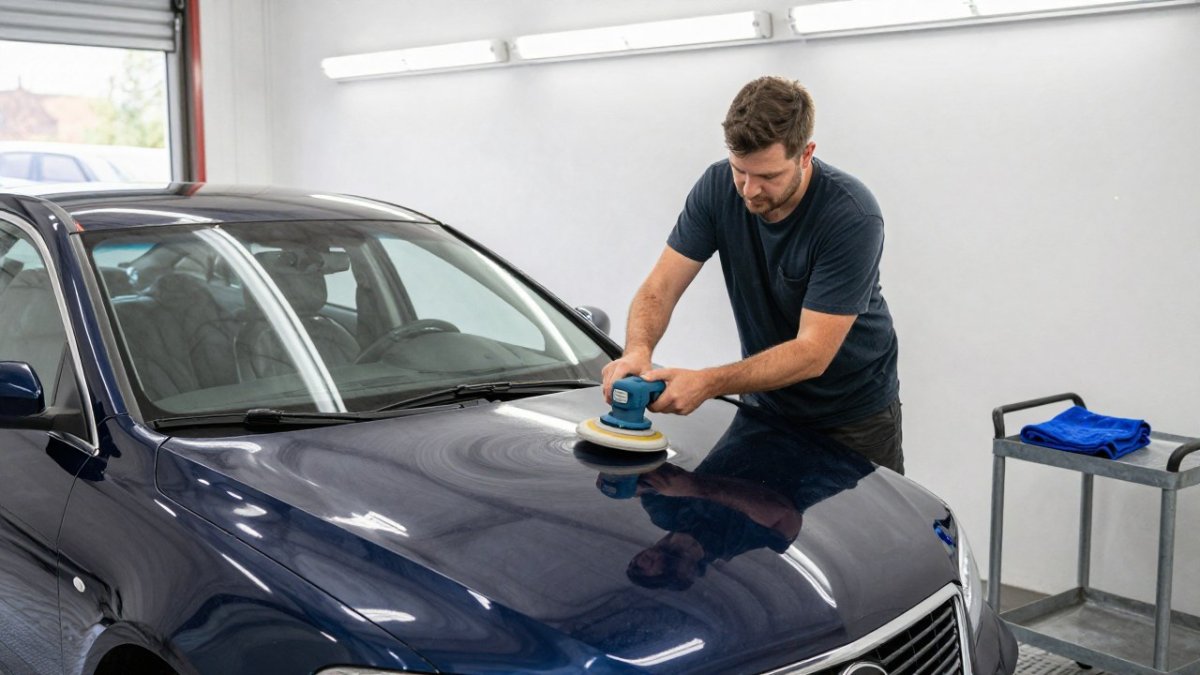
Paint correction is the machine polishing process that removes swirl marks, oxidation, and light scratches from the clear coat before a coating goes on.
Here is why prep decides everything. Ceramic coating is transparent and permanent-ish: it seals whatever surface it bonds to.
A proper sequence looks like this:
- Wash and decontaminate, including a clay bar treatment to pull embedded fallout.
- Assess paint condition under proper lighting.
- Polish with the correct pad and compound combination for the defects present.
- Wipe down with an alcohol-based panel prep to remove polishing oils.
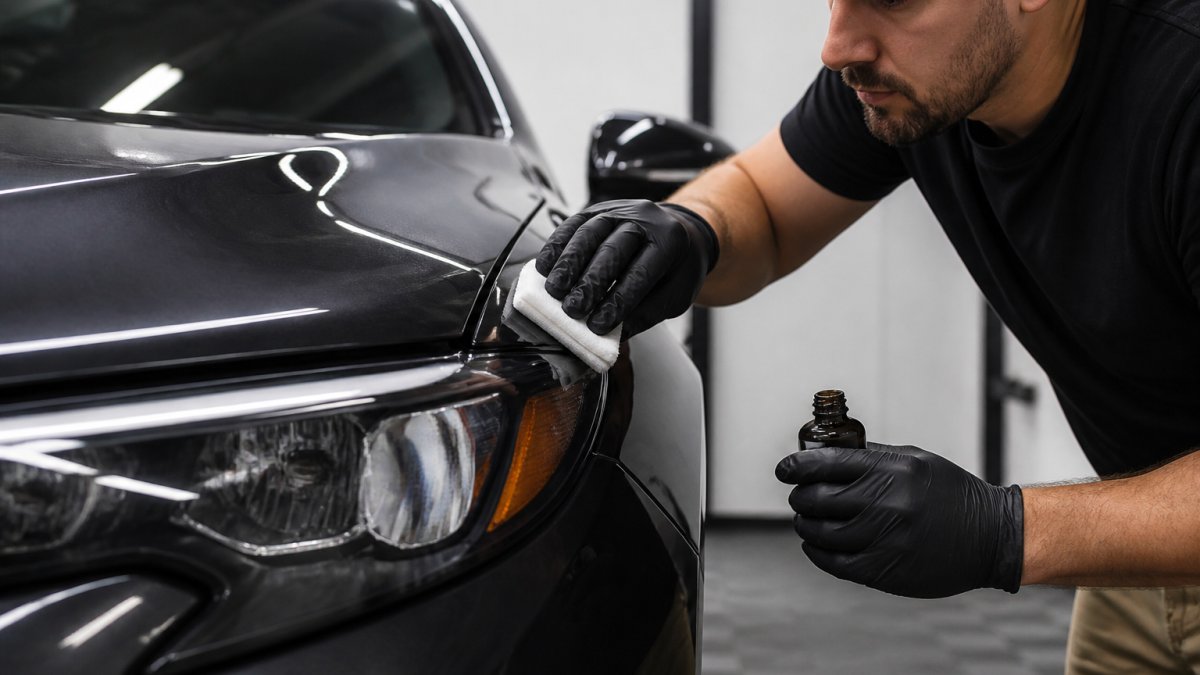
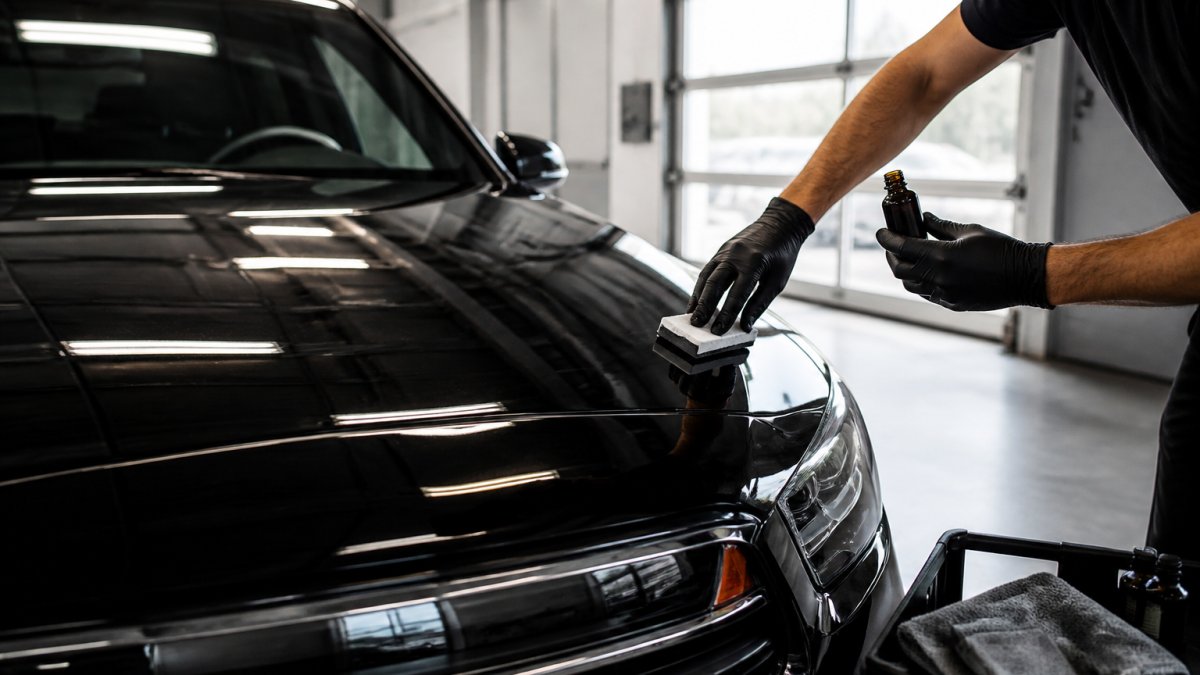
- Apply the coating in a controlled, dust-free space and respect the curing window.
If you have never polished before, this is where professional help pays for itself. A common mistake is over-polishing thin clear coat, which cannot be undone.
How to Maintain Ceramic Coating and Keep It Working
Maintenance is what separates a coating that lasts years from one that fades in months. The coating does the heavy lifting, but you still need to remove contamination before it bonds.
A maintenance routine includes:
- Regular hand washes with a pH-neutral shampoo, avoiding harsh detergents that degrade the coating.
- Periodic decontamination to strip bonded road grime and mineral deposits.
- A coating-specific maintenance spray or topper to refresh the hydrophobic layer.
Skip the automatic brush washes. Their bristles grind grit into the coating and clear coat alike, undoing the protection you paid for.
Consumer Reports' guidance on avoiding automated car wash damage recommends touchless or hand washing for vehicles with protective coatings.
Building a Year-Round Maintenance Schedule for Your Paint
Consistency beats intensity. A simple seasonal rhythm keeps paint in good condition without consuming entire weekends. The schedule below assumes a daily-driven car parked outdoors; adjust frequency for garage-kept or low-mileage vehicles.
Weekly
- Rinse or perform a rinseless wash if the car sees daily use, especially after rain or road salt exposure.
- Check for new chips, scratches, or bird droppings and treat them immediately.
Monthly
- Hand wash with a pH-neutral shampoo using the two-bucket method.
- Inspect the coating's water beading: if water stops beading and starts sheeting, the hydrophobic layer is fading and a topper or reapplication is due.
- Clean wheel wells and rocker panels where salt and grime accumulate.
Seasonal Checklist
Spring (after winter salt season):
- Thorough undercarriage rinse to remove residual salt.
- Decontaminate with a clay bar or chemical iron remover.
- Inspect for chips and touch up exposed metal before rust starts.
Summer (UV and bug season):
- Wash weekly if parked outdoors; remove bug splatter within 48 hours.
- Check for oxidation on horizontal surfaces (hood, roof, trunk).
- Refresh coating topper every 4-8 weeks.
Fall (pre-winter prep):
- Full decontamination and wash.
- Apply a fresh layer of sealant or coating to protect through winter.
- Inspect and repair any chips or scratches before salt exposure.
Winter (salt and brine season):
- Wash every 1-2 weeks, focusing on lower panels and wheel arches.
- Avoid automatic brush washes; use touchless or hand washing.
- Park in a garage or covered area when possible to reduce freeze-thaw stress.
Annual Professional Inspection
Once a year, have the paint inspected under proper lighting. A detailer can identify early clear coat failure, contamination bonding, and coating degradation that are hard to see in normal light. This is also the time to decide whether a coating needs renewal or a film needs replacement.
If you lack a garage, a membership that guarantees bay access removes the biggest obstacle to regular washing. Compare self-serve membership plans to keep maintenance consistent year-round.
Frequently Asked Questions
What is the best long-term paint protection for cars?
For most drivers, a professionally installed ceramic coating offers the best balance of durability and low upkeep. It bonds to the clear coat and can last several years with proper care, while wax and synthetic sealants need reapplication every few months. Paint protection film is the strongest defense against rock chips, but it costs more and covers fewer panels. The right choice depends on your climate, parking situation, and how much upkeep you want to do.
Is there a downside to ceramic coating a car?
Ceramic coating is not scratch-proof. It resists light swirls and makes washing easier, but it will not stop rock chips or deep scratches, and it needs regular maintenance washes to keep its hydrophobic properties. Application also requires careful prep, including paint correction, because any flaws get locked under the coating. Skipping proper prep or using the wrong wash products can shorten its lifespan.
How often should you wax a car to protect its paint?
Traditional carnauba wax typically needs reapplication every four to eight weeks, depending on sun exposure and how often you wash. Synthetic sealants last longer, often three to six months. If you park outside or deal with harsh winters and road salt, lean toward the shorter end of that range. Check water behavior after each wash: when water stops beading, it is time to reapply.
Can you apply ceramic coating over scratched or damaged paint?
You can, but you should not. Ceramic coating seals whatever is underneath it, so scratches, swirl marks, and oxidation will stay visible and become harder to fix later. That is why paint correction before ceramic coating is standard practice: a machine polish removes light defects first, then the coating locks in a clean, glossy finish. Skipping correction saves time upfront but usually costs more to fix down the road.
Does paint correction help protect car paint?
Paint correction removes surface defects like swirl marks, light scratches, and oxidation, which restores the clear coat's ability to reflect light and gives protective products a clean surface to bond to. It does not add a protective layer on its own, so pair it with a sealant, wax, or ceramic coating. Correcting paint before coating also helps the coating last longer and perform better.
How long does ceramic coating last on a car?
Durability depends on the product, the installer, and how the car is maintained. Entry-level coatings may last a year or two, while professional-grade coatings can hold up for several years with proper washing and occasional inspections. Harsh sun, road salt, and automatic brush washes shorten lifespan. Following the coating maker's maintenance guidance, including pH-neutral shampoo and microfiber drying, is the biggest factor in getting the full life out of it.
Protecting car paint long term comes down to a system: safe washing, the right protection tier, proper prep, and a schedule you can keep. That is exactly the combination The Bays O'Fallon was built around, with professional-grade products, self-service detailing bays, and expert ceramic coating and paint correction under one roof. Get started with The Bays O'Fallon and keep your finish looking sharp for years.